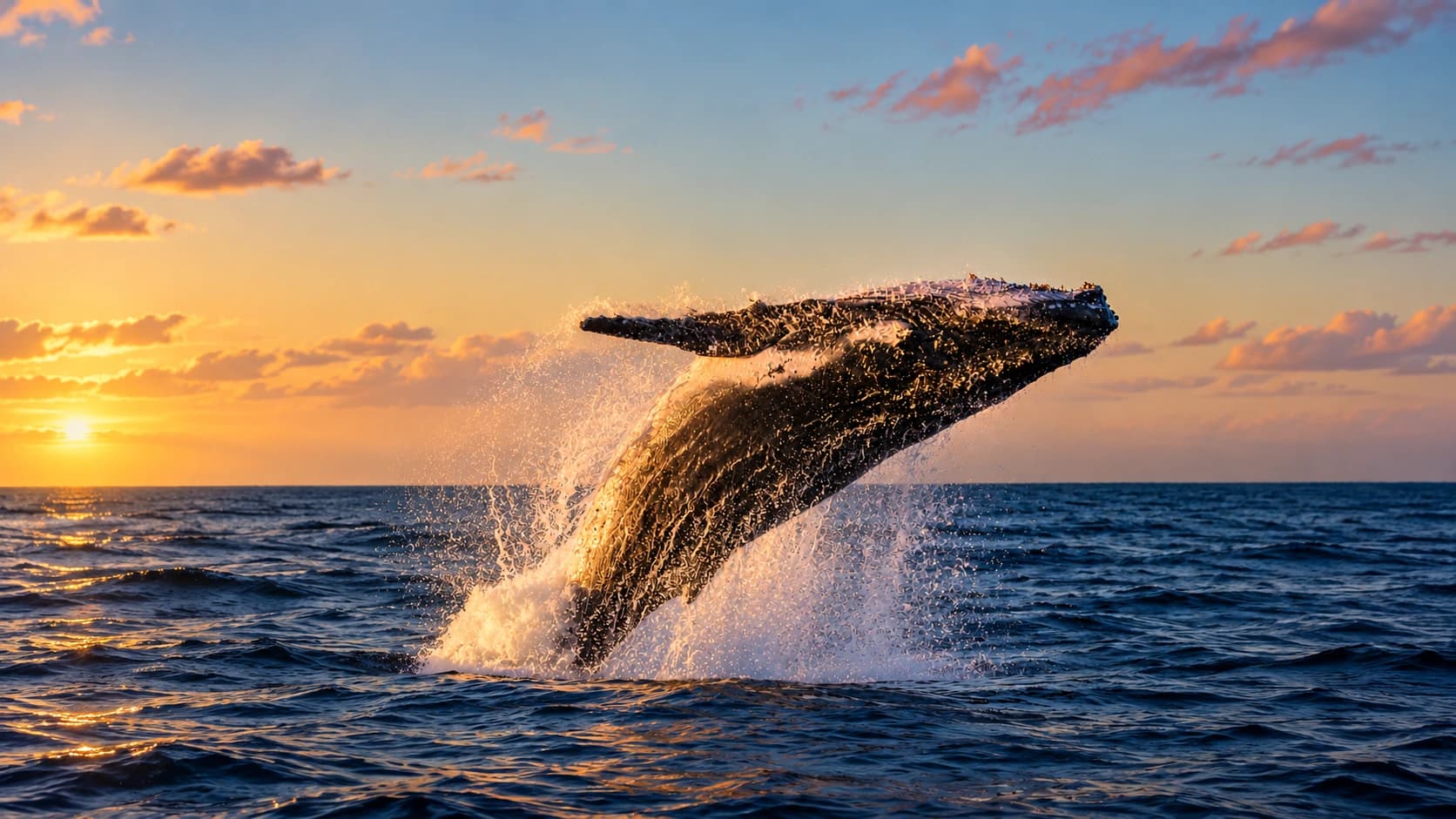
Some journeys are measured in miles. Others are remembered in moments.
A sudden breach beside the ship. A tail disappearing beneath an icy horizon. The distant sound of a humpback carrying through clear blue water.
Along Lumina's 2028 route, residents will cross some of the world's most remarkable whale habitats, from the glacier-fed waters of Alaska to the protected channels of Tonga, the remote fjords of Patagonia, and the edge of Antarctica.
These are not isolated excursions built around a single sighting. They are part of a much longer journey, where the world's oceans become part of everyday life.
Glacier BayAlaska
In Alaska, the landscape feels almost impossibly large.
Glacier Bay is surrounded by towering mountains, deep fjords and immense tidewater glaciers, but the water itself is just as alive.
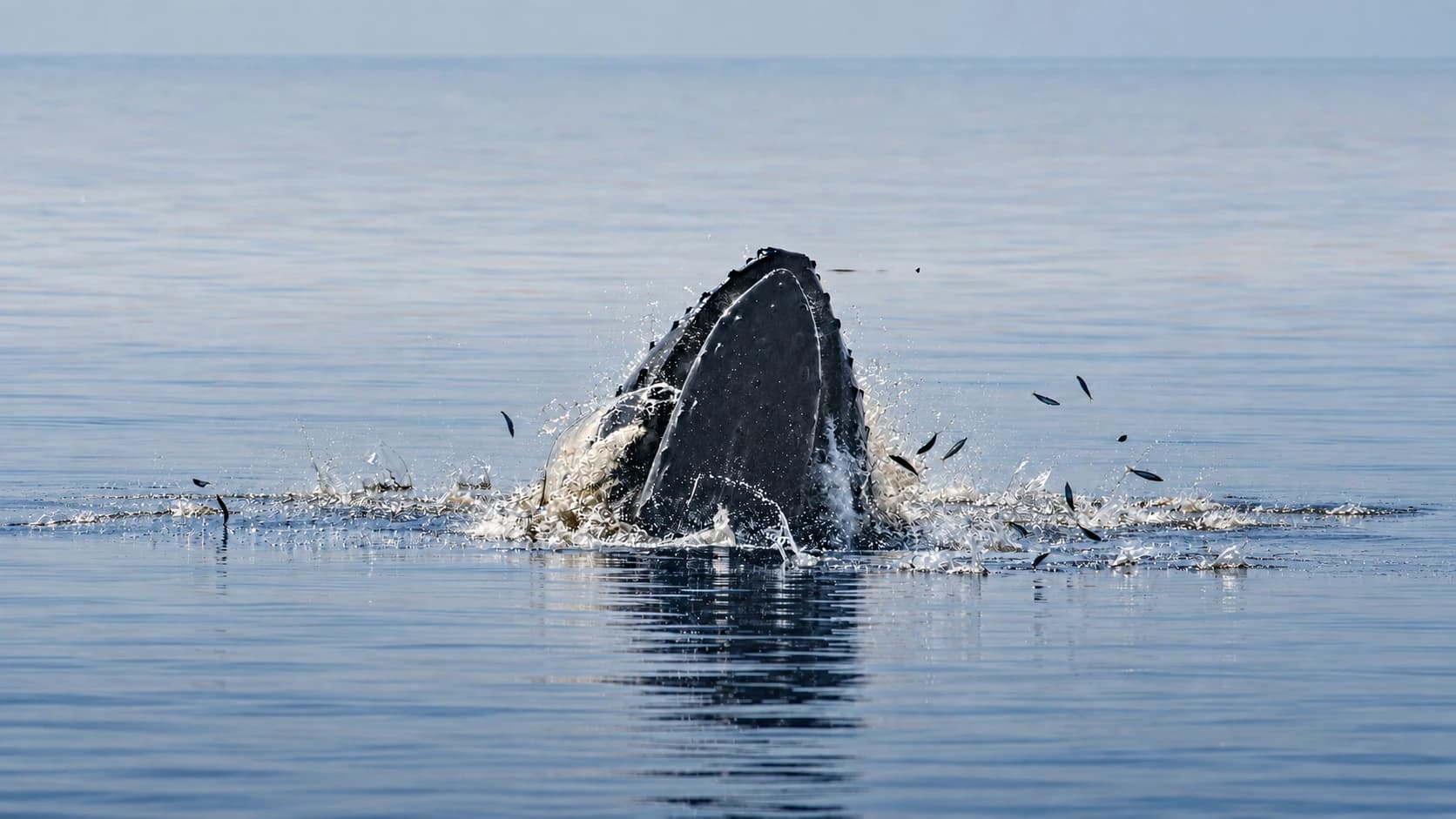
Humpback whales return to these nutrient-rich waters to feed, sometimes working together in one of nature's most striking displays: bubble-net feeding. The whales dive beneath schools of fish, release spirals of bubbles around them, then surge upward through the centre with their mouths open.
From the surface, it can happen in an instant. A calm stretch of water erupts with whales, seabirds and silver flashes of fish before disappearing again.
For residents aboard Lumina, Alaska offers the chance to experience these waters as part of the wider journey, rather than simply passing through them.
TongaSouth Pacific
Thousands of miles away, the experience changes completely.
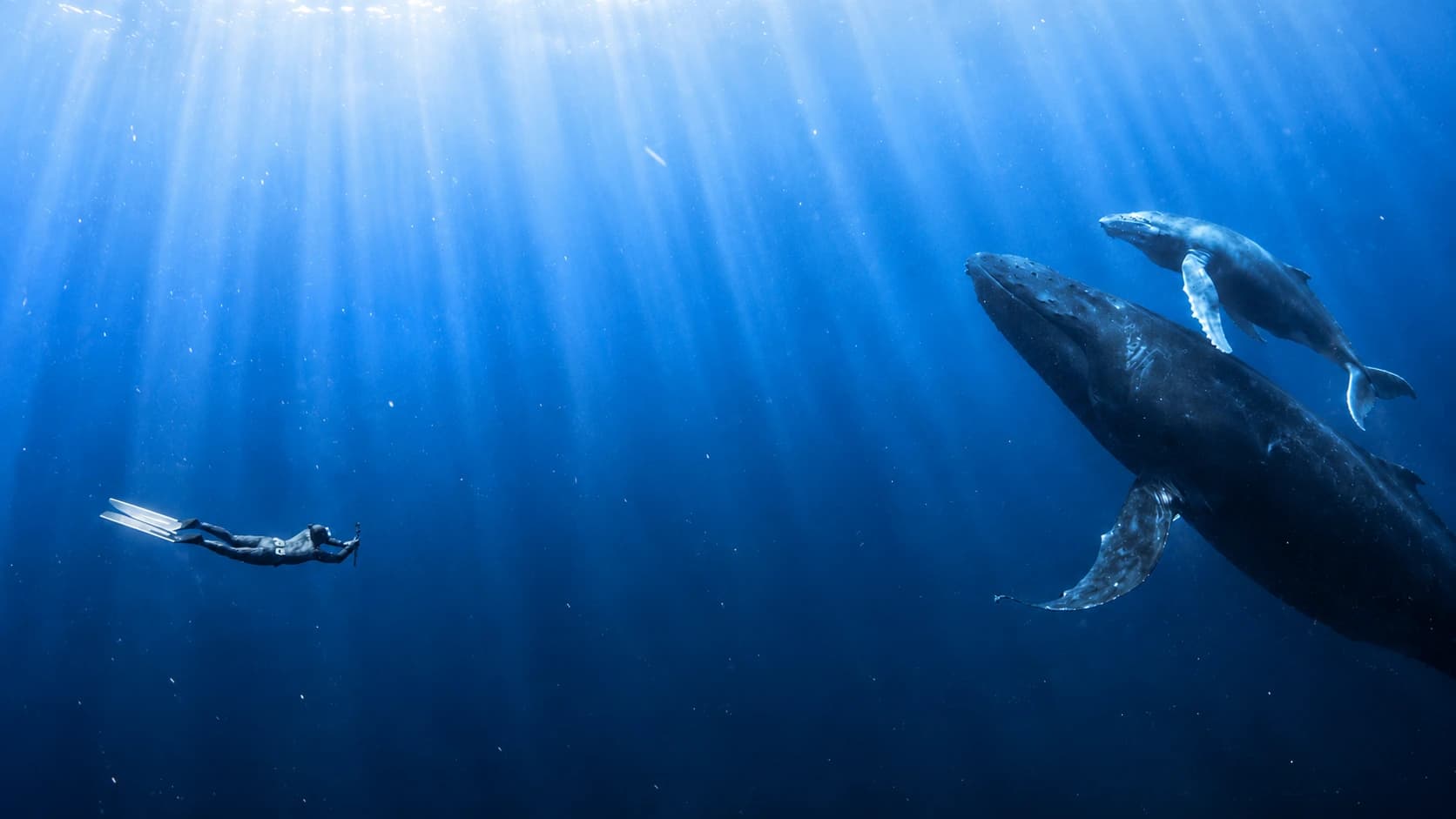
Each year, humpback whales migrate into the warm, sheltered waters of Tonga to breed, give birth and raise their calves.
It is one of the relatively few destinations in the world where regulated swimming with humpback whales is permitted, creating an encounter that is difficult to compare with traditional whale watching.
Underwater, the scale becomes clearer. A mother and calf can drift almost effortlessly through the blue while the song of a male humpback travels through the water below.
For Lumina residents, Tonga represents one of those rare moments where the destination is not simply somewhere to visit, but somewhere to enter.
Chilean FjordsPatagonia
Farther south, the coast of Patagonia begins to fracture into thousands of islands, channels and fjords.
Roads disappear. Mountains rise directly from the water. Glaciers hang above narrow passages. Dense forests reach toward the shoreline.
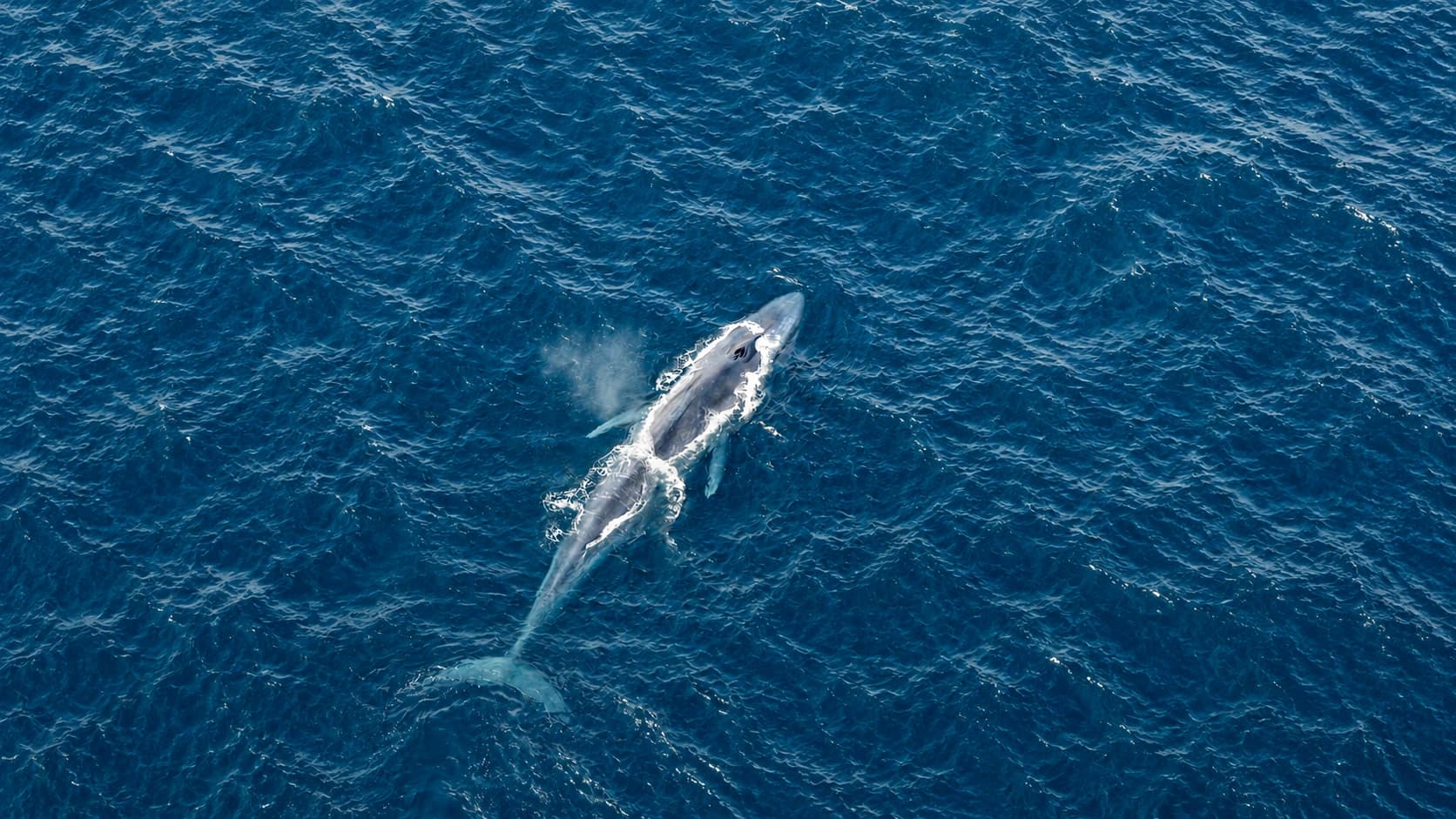
And within these remote waters, blue whales feed.
The largest animals known to have ever lived can grow to more than 25 metres in length, yet from a distance, their arrival is often remarkably subtle.
A blow on the horizon. A long grey-blue back breaking the surface. Then silence again.
Much of this region remains accessible primarily by sea, which makes the journey itself part of the experience. Lumina does not simply bring residents to Patagonia. She moves through its geography.
The PeninsulaAntarctica
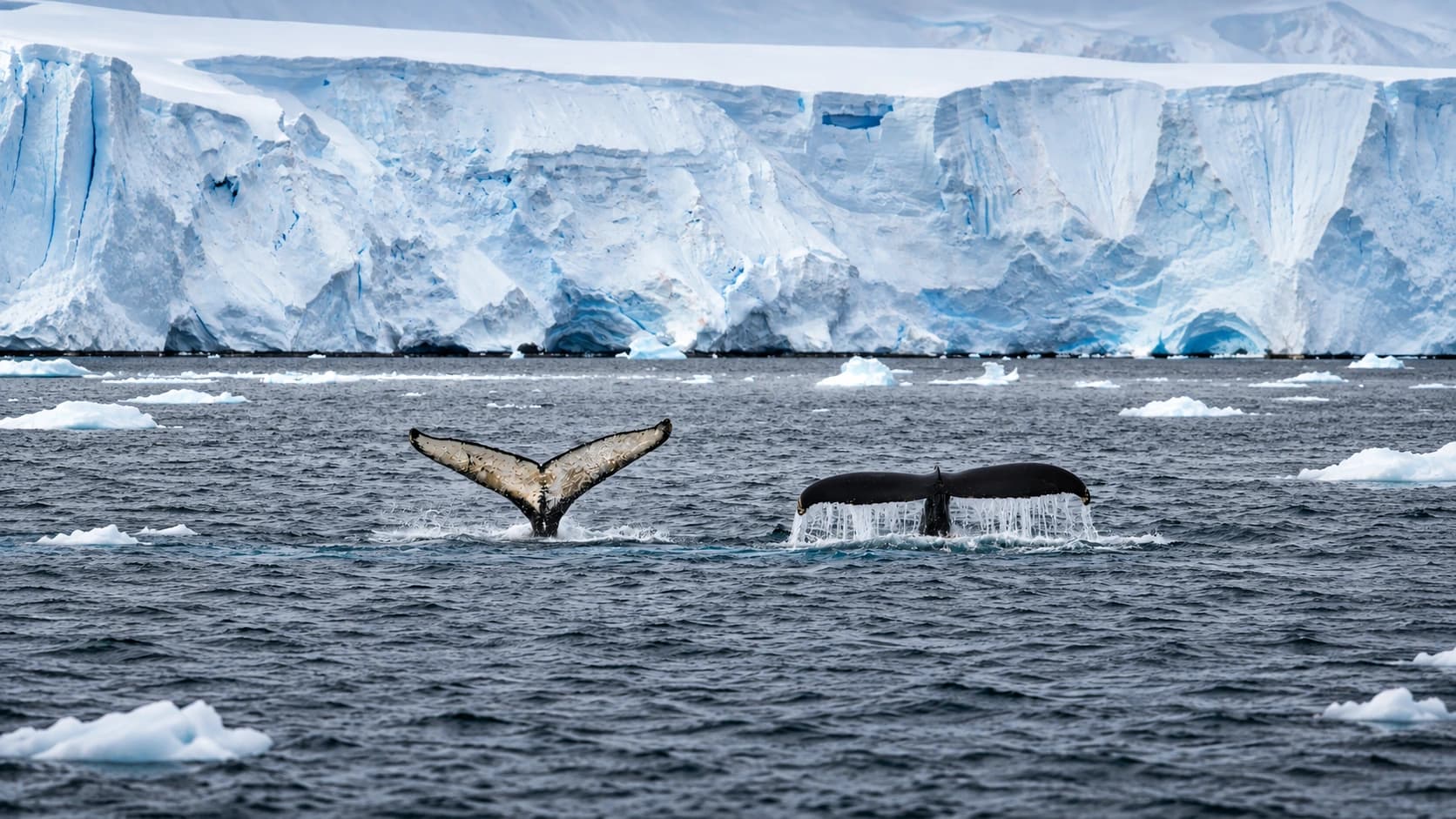
Eventually, the landscape becomes almost entirely elemental.
Ice. Water. Rock. Sky.
Around the Antarctic Peninsula, humpbacks feed during the southern summer, often appearing close to icebergs and along the edges of narrow channels.
The scale of the surroundings changes the encounter. A whale surfacing beside a wall of ice can somehow appear both enormous and small at the same time.
There is also the light. Long Antarctic days create shades of blue and white that seem different from anywhere else on Earth, particularly around areas such as the Lemaire Channel.
Here, whale watching becomes part of something larger: being present in one of the planet's least altered environments.
One year. Four oceans. The same front door.Avora Residences
The remarkable thing about these encounters is not simply that they exist. It is that they can all exist within the same year.
Alaska. Tonga. Patagonia. Antarctica. Four dramatically different ecosystems, connected by the ocean and experienced from the same home aboard Lumina.
The destination keeps changing. Your home does not.